Wesfarmers Enters Housing Sector With Factory-Built Apartment Push
 April Ossington
05 May 2026
April Ossington
05 May 2026

Wesfarmers is stepping into the residential construction market for the first time, backing a new approach that aims to speed up apartment building and lower costs through factory-based production.
The ASX-listed group is committing an initial A$100 million to a partnership with contractor Built, forming a venture that will produce modular and precast components for apartment developments. The facility is expected to support the construction of more than 2000 apartments each year once fully operational.
The move comes as Australia’s housing sector continues to face mounting pressure from rising costs, labour shortages and supply chain disruptions. These challenges have weighed heavily on productivity and contributed to a steady decline in new home completions over recent years.
Offsite manufacturing is being positioned as a way to address these issues by shifting key construction tasks away from building sites and into controlled factory environments. Processes such as concrete pouring and structural assembly can be completed more efficiently, reducing reliance on weather conditions and on-site labour.
Wesfarmers and Built say the approach could cut construction timelines for high-rise developments by up to half while lowering costs by around 20 per cent. The model is already widely used in parts of Europe, where large-scale prefabrication has improved both speed and consistency in housing delivery.
The new facility will be located in Western Australia at the Neerabup Automation and Robotics Precinct, supported by a long-term land arrangement with the state government. Construction of the plant and installation of specialised equipment are expected to begin in the second half of 2026, with production targeted to start in early 2028, pending approvals.
The joint venture will focus primarily on mid-rise and high-rise apartment projects, including developments aimed at the build-to-rent market as well as social and affordable housing. By producing components that can be quickly assembled on site, the partners believe the model could help increase supply while easing pressure on rents.

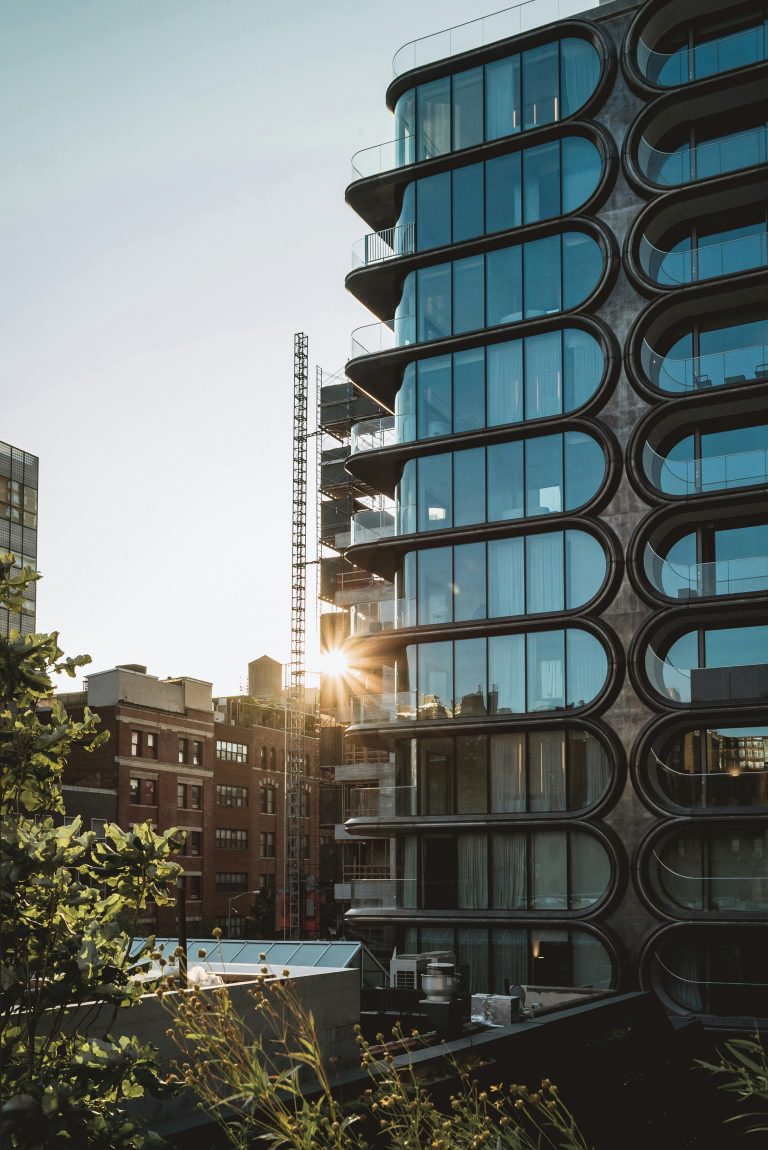
Photo by Tobias Wilden
To maintain steady output, the facility is also expected to supply materials for other types of construction, including public infrastructure such as hospitals and civic buildings. This broader scope is intended to reduce the impact of cycles in residential development, which have historically led to fluctuations in demand and workforce instability.
Wesfarmers is expected to bring its experience in supply chain management and manufacturing to the partnership, while Built contributes expertise in large-scale construction. The collaboration reflects a growing push within the industry to adopt more efficient building methods as demand for housing continues to outpace supply.
The Western Australian project is seen as a starting point, with plans to explore similar facilities in other high-growth regions such as New South Wales and south-east Queensland. Strong population growth, rising property prices and limited housing supply in these markets are driving interest in alternative construction solutions.
The initiative also opens the door for potential integration with Wesfarmers’ broader business operations, including its trade-focused retail network, as demand grows for prefabricated building components.
While the venture is not expected to significantly impact Wesfarmers’ earnings in the short term, it signals a longer-term strategy to play a more active role in addressing Australia’s housing challenges through innovation and scale.