Halo Tower Developer Enters Administration While Project Pushes Ahead
 April Ossington
07 Apr 2026
April Ossington
07 Apr 2026
Sydney developer James Milligan has placed his private companies into voluntary administration, bringing in KPMG to manage the process, but insists construction of the Halo office tower will continue without interruption.
The decision forms part of an effort to reorganise debt linked to the landmark $1.8 billion project, which is planned for the corner of Hunter and Pitt streets in the CBD. Despite the financial strain affecting his personal business interests, Milligan will remain involved in the development and retain a stake alongside partner Cbus Property.
Support from lenders has been crucial in allowing the project to proceed. Creditors backing the development have agreed to the administration process and are continuing to fund progress, with the goal of securing a final construction agreement with builder Multiplex and completing the tower by around 2030.
The Halo project has faced a long and complex path. Milligan spent years assembling the site, acquiring more than 70 separate titles, a process that required significant borrowing and ultimately placed pressure on his finances. Earlier attempts to bring in major partners included a proposed A$685 million deal with Lendlease, which did not proceed. Cbus Property later stepped in to take a 50 per cent share, helping move the development forward.

James Milligan
Rising construction costs, higher interest rates and delays linked to the pandemic have all contributed to the project’s financial challenges. Demand for office space has also shifted, with many companies reducing their footprint or delaying relocation plans, making it harder to secure tenants.
Even so, Milligan remains committed to seeing the tower completed. He has already sold down other projects and personal assets to support the development and meet obligations to creditors. The next step is to present a formal restructuring proposal through a deed of company arrangement, aimed at stabilising the project’s finances and ensuring it can proceed as planned.
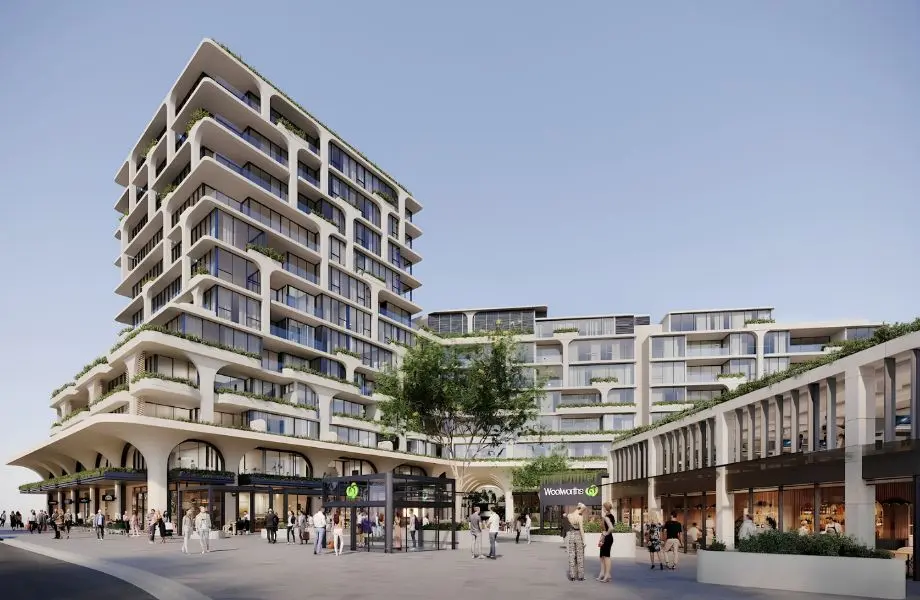
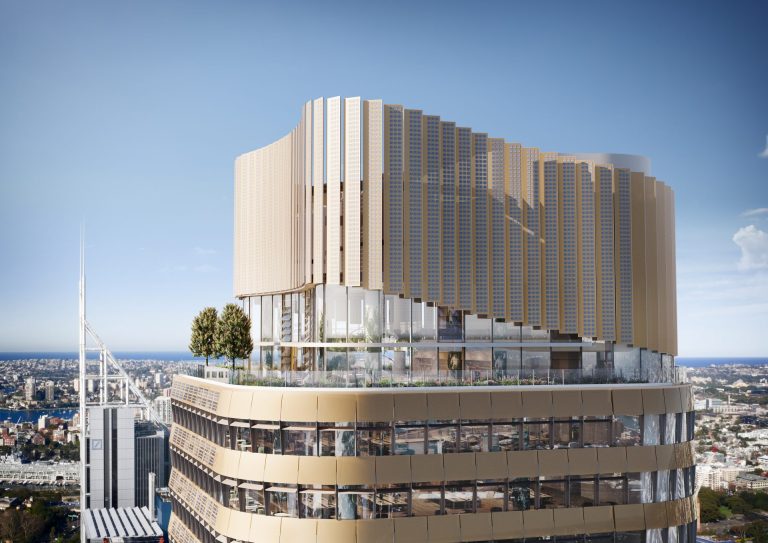
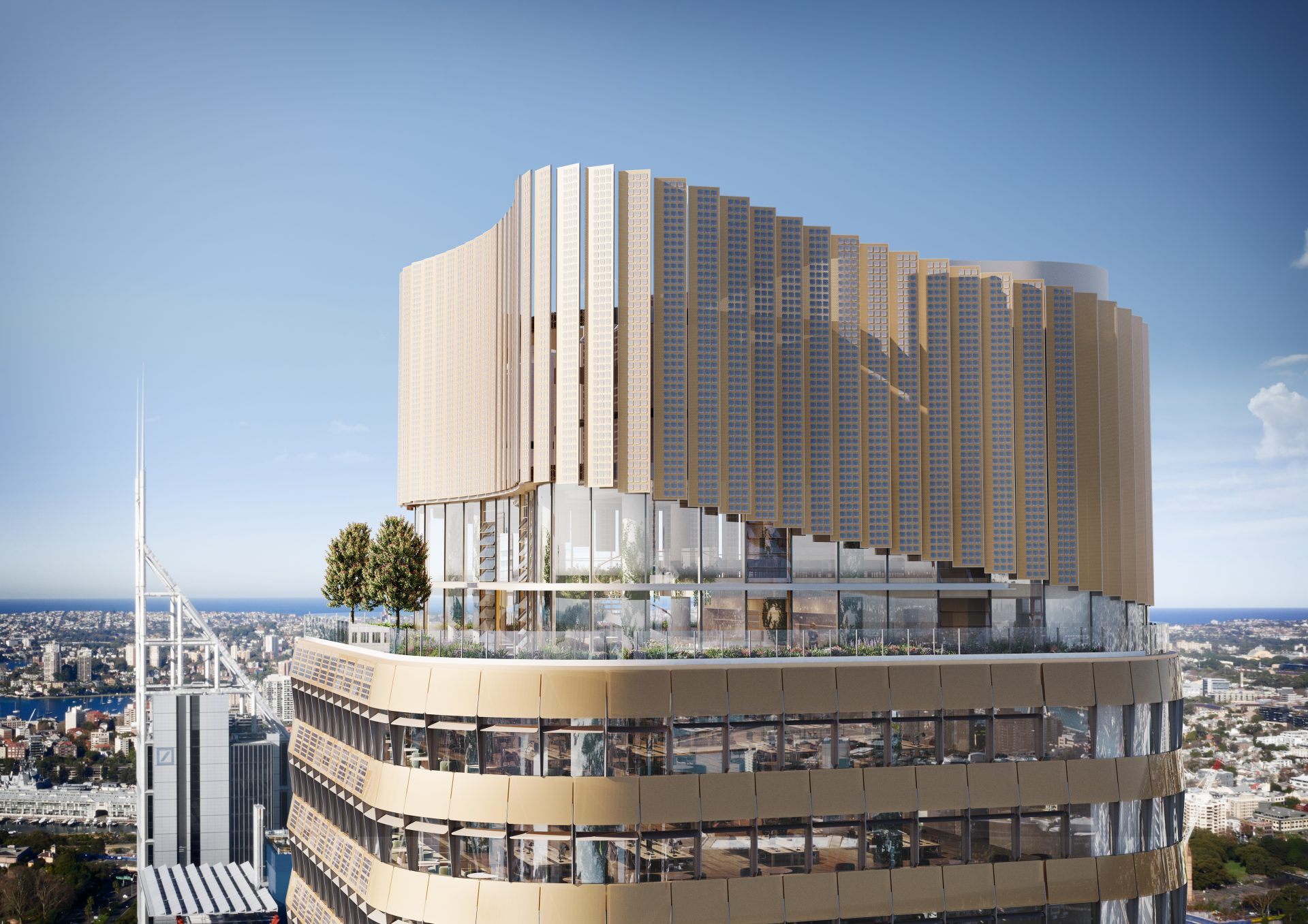
The building itself is designed to deliver around 42,000 square metres of office and retail space, with direct access to the future Hunter Street Metro station. It is also intended to stand out as a highly sustainable structure, using a hybrid timber design.
Industry conditions have seen many developers walk away from projects or become tied up in disputes, but Milligan is taking a different approach by staying closely involved. He is betting on a recovery in Sydney’s office market, particularly as few new major towers are expected to be completed after 2027, which could create an opportunity to attract high-profile tenants.
KPMG administrators have indicated that operations at the site will continue as usual during the restructuring period, which is expected to begin in early April and conclude within several weeks. Throughout this process, lenders and project partners have signalled ongoing support, allowing work on the Halo tower to progress despite the financial reset underway.