Brisbane 2032 Shifts Focus To Long-Term Value of Olympic Infrastructure
 April Ossington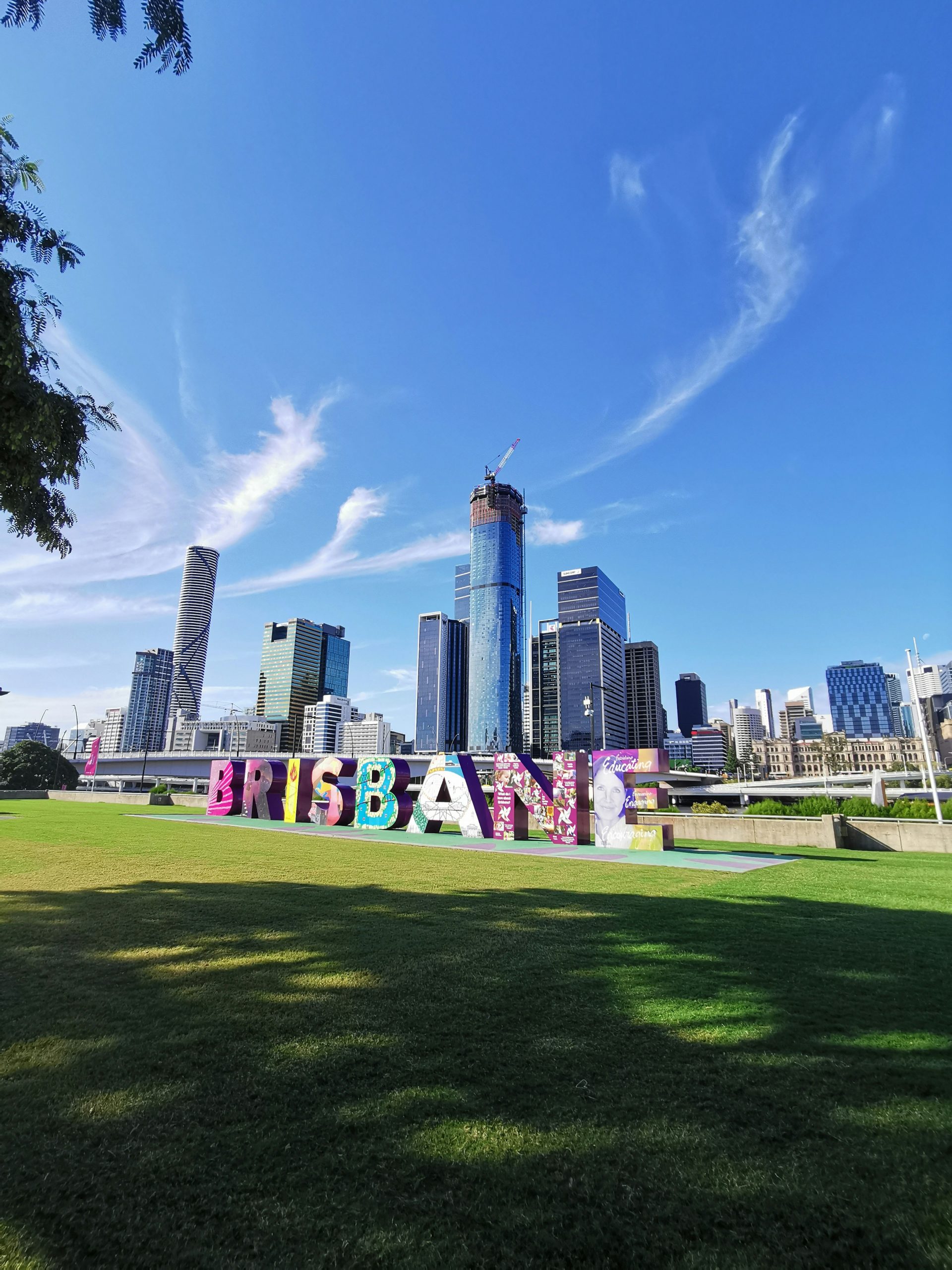
The way Olympic venues are judged has changed. Instead of focusing solely on how well they perform during the Games, attention has shifted to what happens afterwards. Cities are now measured on whether stadiums and event precincts continue to generate activity and economic value long after the closing ceremony.
With Brisbane preparing for the 2032 Olympics, this question is becoming increasingly important for planners and developers. The challenge is no longer just delivering world-class facilities for a few weeks, but ensuring those same spaces remain useful, active and financially sustainable for years to come.
This approach reflects a wider shift across the property sector. Research from Gensler’s Design Forecast 2026 highlights how experience has become a key driver of real estate value. Rather than being defined by scale alone, successful developments are those that support daily use by residents, visitors and businesses.

As a result, stadiums and major venues are evolving. Instead of serving a single purpose, they are now designed as part of mixed-use precincts that can host a variety of activities throughout the year. This allows them to generate ongoing revenue and remain relevant within the broader urban landscape.
The concept of legacy has also been redefined. For host cities, the goal is now to use Olympic investment as a foundation for long-term urban growth, linking venues with surrounding commercial, residential and community spaces.
London’s Olympic precinct is often highlighted as a strong example of this shift. The stadium built for the 2012 Games has since been transformed into a multi-purpose venue that supports both sport and entertainment. Rather than downsizing it into a smaller athletics facility, planners opted to retain a larger format and secure a major football tenant, helping ensure regular use.
Today, the venue hosts domestic football, international sporting events and concerts, drawing close to two million visitors each year. Its impact extends beyond ticket sales, contributing to wider economic activity through tourism, hospitality and retail spending. Major events have delivered hundreds of millions of dollars in economic benefit, demonstrating how a venue can evolve into a consistent revenue generator.
The stadium’s success is also tied to how it is programmed. Key tenants such as football and athletics are allocated dedicated time periods, while the remaining calendar is opened up to other events. This flexible approach allows the venue to maintain a steady flow of activity.
Importantly, it also serves the local community. Facilities nearby are used by schools, clubs and residents, ensuring the precinct is not limited to large-scale events but remains part of everyday life.
Other cities have taken similar approaches. Barcelona’s Olympic developments helped transform its waterfront, turning former industrial areas into thriving residential and leisure zones. Sydney Olympic Park has gradually evolved into a mixed-use district, combining event spaces with housing, offices and public amenities.
More recent Olympic hosts have pushed this thinking even further. Paris designed much of its 2024 infrastructure with temporary or adaptable elements, reducing the need for permanent builds. Existing venues were reused wherever possible, while new facilities were created with clear long-term purposes, such as community sports centres or housing developments.
Tokyo followed a comparable model, relying heavily on existing sites and designing new venues with flexibility in mind. Temporary seating and modular structures allowed spaces to be scaled back after the Games, avoiding the creation of oversized or underused facilities.
As Brisbane moves closer to 2032, these examples highlight a clear direction. Success will not be defined solely by medals or global attention, but by whether the city can deliver venues that continue to function as active, adaptable parts of the urban environment. The real measure will come years after the event, when these spaces either remain valuable assets or fade into underused remnants of a major international moment.