Bunnings Is Selling DIY Tiny Homes For $42,900
 April Ossington
10 Feb 2026
April Ossington
10 Feb 2026
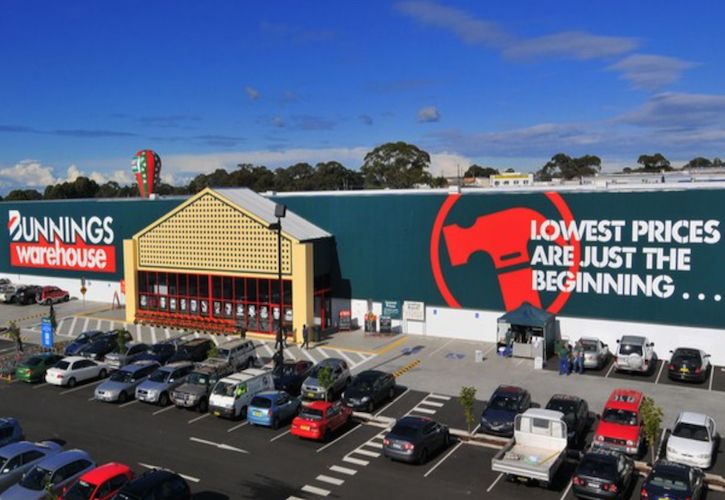
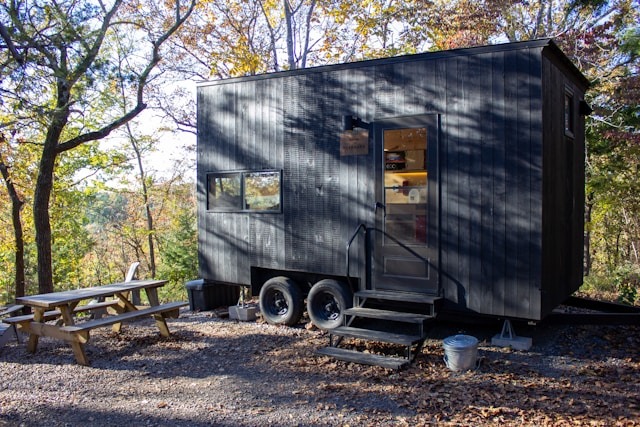
Australians are used to heading to Bunnings for building supplies, but the retailer is now offering something far more substantial, a complete flat-pack tiny home that can be ordered for less than $45,000.
The compact dwellings are produced by Melbourne-based startup Elsewhere Pods and are sold as prefabricated kits that can be put together within days. They are aimed at customers who are confident using tools, such as tradespeople or experienced DIYers, and are marketed as structures that may not require a traditional building permit, depending on local rules.
Two versions are available through Bunnings, with pricing tied to size. A larger studio measuring four metres by 2.4 metres is listed at $42,900, while a smaller 2.7-metre by 2.4-metre option is priced at $26,100. Both are designed as self-contained spaces that can be used for work, accommodation or creative pursuits.
While Bunnings has previously sold outdoor rooms under its Quickbult range, the Elsewhere Pods models have a more contemporary, design-led appearance. Bunnings chief operating officer Ryan Baker said customer interest in affordable ways to increase usable space at home continues to rise, driving demand for products of this kind.
Elsewhere Pods was launched in 2022 by founder Matt Decarne, who has said the business grew out of a personal project after his mother lost her home during the northern New South Wales floods that year. The company has since expanded its catalogue to include everything from narrow backyard rooms to larger multi-level tiny homes, with some models delivered and installed directly on site.
The structures are designed to be built quickly and to suit challenging locations, including flood-affected and remote areas. They have also found favour with eco-tourism operators and Airbnb hosts looking to add small, architecturally designed cabins to their properties. Other buyers use the pods as home offices, extra bedrooms, art studios or streaming spaces.

Photo by Elsewhere Pods
Financial reports suggest Elsewhere Pods is generating more than $9 million in annual revenue, reflecting a broader shift in Australia towards modular and prefabricated housing. Fast build times, housing shortages, affordability pressures and changing lifestyle preferences are all contributing to growing interest in tiny homes, studios and granny flats.
Retail analyst Trent Rigby from RC Advisory said the move makes strategic sense for Bunnings. He described the pods as a natural extension of the retailer’s core promise, allowing customers to add an entire room without the expense and disruption of a full renovation. Rigby also pointed out that large backyard sizes in Australia make these additions particularly attractive compared with denser overseas markets.
He added that the real opportunity for Bunnings extends beyond the pod itself, with additional spending likely on fittings, storage, lighting, landscaping and other finishing touches. However, Rigby cautioned that approvals, foundations and access to services can be more complex than the flat-pack assembly, and requirements often vary between councils and states.
For Bunnings, clarity around what is included and what customers must organise themselves will be crucial as it pushes further into the growing tiny home market.