Boyanup Backs Permanent Tiny-Homes Village In Landmark WA Planning Decision
 April Ossington
10 Feb 2026
April Ossington
10 Feb 2026
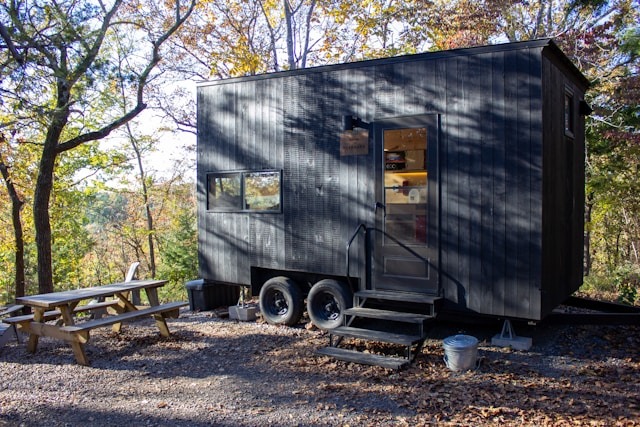
A council in Western Australia has approved what is believed to be the state’s first permanent community designed specifically for tiny homes on wheels, marking a significant shift in how alternative housing is treated under local planning rules.
The development will be built near the rural town of Boyanup, about 180 kilometres south of Perth, and will feature 40 individual sites on a single parcel of land. Each site will be leased to residents who own or plan to live in a tiny home, creating a long-term residential neighbourhood rather than short-term accommodation.
The proposal includes shared amenities such as landscaped gardens, a pergola, firepits, walking paths and an on-site caretaker. The project’s proponents, local residents Katie and Lee Pritchard, said the intention was to create a stable community for people seeking a permanent place to live, not a tourist park or holiday-style development.
While the idea has been welcomed by some as an innovative response to the housing shortage, it has also sparked opposition from nearby property owners. Concerns raised during public consultation focused on whether existing infrastructure could cope with increased demand, as well as potential traffic congestion.

Photo by Jed Owen
The Pritchards said the approval represents an important breakthrough, both locally and nationally, arguing it is the first time an Australian council has formally approved a tiny-homes-on-wheels community. They described it as a major step towards providing a clearer planning pathway for a type of housing that has grown in popularity but often sits in a regulatory grey area.
Addressing councillors ahead of the decision, Ms Pritchard said Boyanup’s location within a recognised growth zone and its links to larger centres such as Bunbury and Busselton made it suitable for supporting workers who are struggling to find housing. The nearby city of Bunbury currently has a rental vacancy rate of just 0.4 per cent, highlighting the pressure on housing across the Southwest.
The Shire of Capel received 46 public submissions about the proposal, with 30 objecting. Among those opposed was neighbouring landholder Philip Wood, who raised concerns about density, road capacity and the lack of sewerage infrastructure. He said the development could bring significant traffic to roads that were not designed for it, estimating a large increase in vehicle numbers.
Other issues raised by residents included the potential impact on the rural landscape, noise levels, bushfire risk, property values and uncertainty around the final design of the village.
Despite the mixed response, the council voted to approve the project, with three councillors opposing it. Shire President John Ferguson said the proposal prompted strong debate and acknowledged the scale of work still ahead. The approval is subject to around 30 conditions, requiring detailed plans covering waste management, water supply, parking arrangements and landscaping.
The shire noted that there are currently no planning rules written specifically for tiny homes or dedicated tiny-home communities. As a result, the proposal was assessed under regulations that apply to caravan parks.
The Pritchards said the decision demonstrates that councils can support new housing models while still meeting planning standards. They added that tiny-home living is already widespread across Australia and that this approval offers a clearer, more compliant framework for delivering permanent communities that reflect changing lifestyle needs.