Microsoft Courts Unions in Australia While Using AI to Cut Thousands of Jobs
 David Richards
16 Jan 2026
David Richards
16 Jan 2026
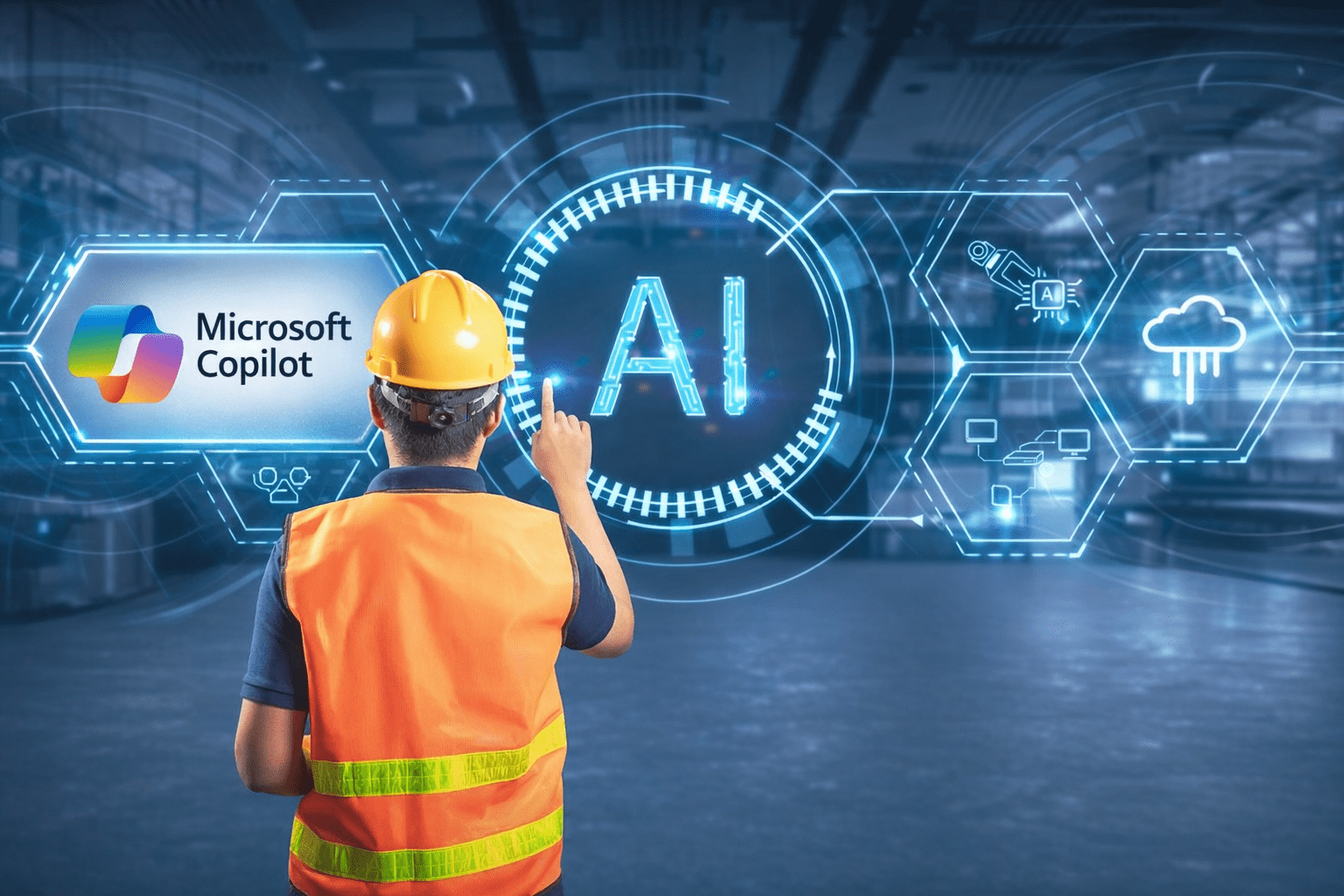
Microsoft is positioning itself as a champion of worker consultation in Australia, striking agreements with trade unions and promising to put employees “at the heart” of the nation’s artificial intelligence transformation.
But the initiative comes as the US tech giant accelerates a global shift toward AI-driven automation that has already cost thousands of workers their jobs — including many inside Microsoft itself.
In Australia, Microsoft has announced a new engagement framework with unions, including those representing workers in industries such as construction, where AI adoption is accelerating amid concerns over job losses. The company says the move will ensure workers’ voices are heard as AI technologies are developed and deployed.
Yet the consultation push stands in stark contrast to Microsoft’s own employment record.
In May 2025, Microsoft cut approximately 6,000 jobs globally as part of what it described as an AI-led workforce realignment. Two months later, a further 9,000 employees were made redundant, with the company openly linking the cuts to its “AI-first” restructuring strategy, aimed at replacing human labour with automated systems and AI agents.
Former employees say the July layoffs were widely understood inside the company as a direct consequence of AI deployment and operational efficiency drives.
Despite the job losses, Microsoft’s financial performance surged. In the 2025 financial year, the company reported revenues of US$281.7 billion, up 15 per cent year-on-year. Profit rose 16 per cent to US$101.8 billion, driven in part by aggressive investment in AI infrastructure alongside workforce reductions.
Against that backdrop, Microsoft Australia has presented its new union engagement agreement as a landmark step for the technology sector.
ACTU assistant secretary Joseph Mitchell welcomed the announcement, saying workers and their unions have long warned that AI is being developed without meaningful consultation.
“Workers through their unions have consistently raised concerns that AI is being developed and deployed without their voices being heard,” Mitchell said.
He described Microsoft Australia’s commitments to recognise workplace rights and engage with unions as “a first for global technology companies operating in Australia.”
What was not addressed is Microsoft’s role as one of the world’s most prominent adopters of AI-driven job displacement.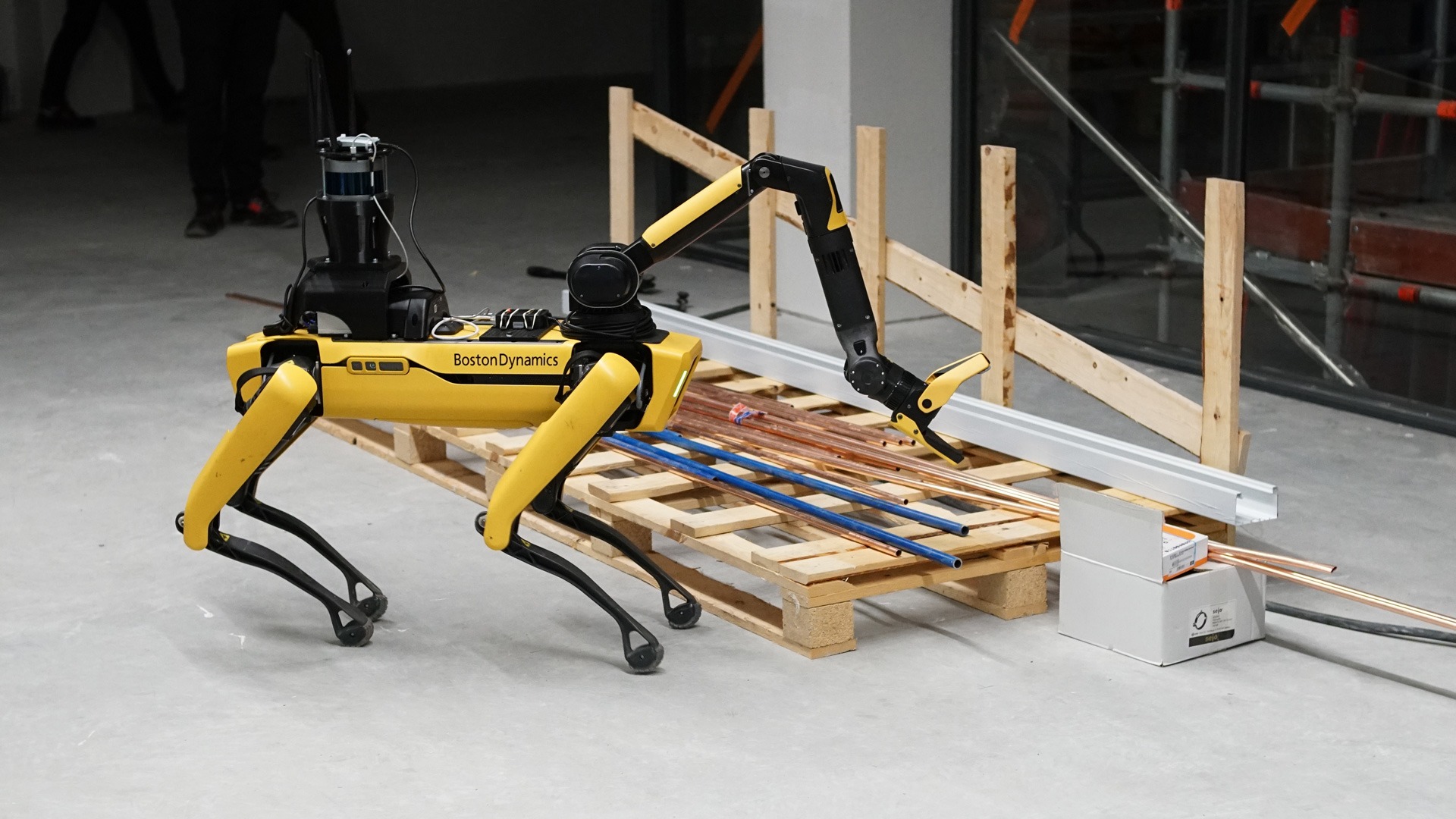
Microsoft Australia and New Zealand vice president Steven Miller said the agreement demonstrates the company’s commitment to ensuring “no one is left out of the national opportunity this technology presents.”
The deal allows Microsoft employees to join unions, affirms the rights of workplace delegates, and formalises consultation mechanisms. Tech Council of Australia chief executive Damian Kassabgi said it sends “an important signal” about cooperation between unions and the tech sector.
However, the broader industry context raises questions about how meaningful those assurances will be.
At CES 2026 in Las Vegas last week, technology companies showcased a wave of AI systems aimed squarely at the construction sector — one of Australia’s largest employers. AI and robotics are already being deployed across construction project lifecycles to reduce waste, shorten timelines and lower labour costs.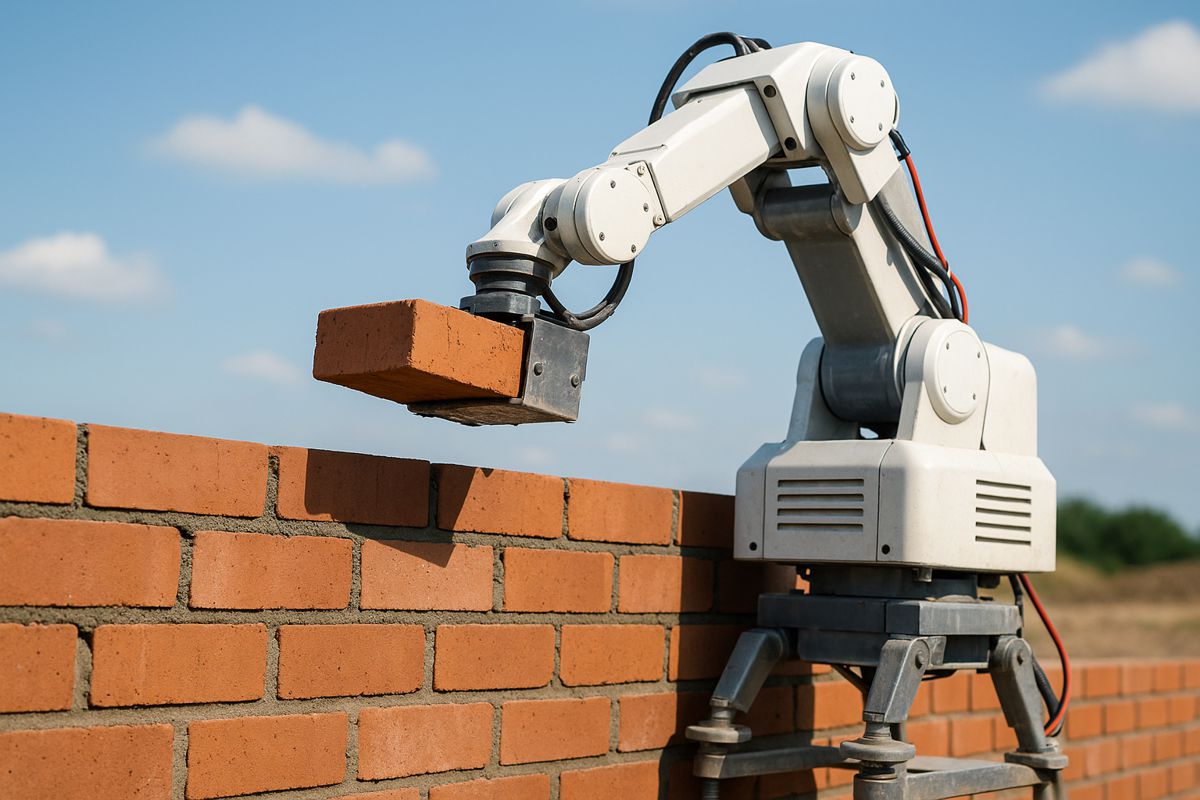
Machine-learning platforms now simulate millions of build scenarios to optimise sequencing, cut delays and reduce the number of workers required on site. AI-enhanced Building Information Modelling automates clash detection, resource planning and cost trade-offs. Autonomous excavation, bricklaying and material-placement systems are moving rapidly from trials to commercial use.
Robotic systems such as Dusty Robotics’ AI-driven Field Printer can mark full-scale construction plans directly onto sites, reducing human error and labour demand. AI-controlled 3D printers are capable of constructing walls — and in some cases entire homes — at a fraction of traditional labour costs.
Computer-vision systems analyse live video feeds to track progress, flag safety risks and detect defects, while predictive maintenance models reduce downtime by forecasting equipment failures.
Behind the scenes, AI is also reshaping construction back offices. Automated estimating, procurement and invoicing systems are already reducing administrative headcount, cutting project durations by up to 20 per cent and slashing material waste.
Many of these tools run on Microsoft’s Windows operating system and use Microsoft Copilot to streamline workflows.
The shift will be on full display at CONEXPO-CON/AGG 2026 in Las Vegas this March, the world’s largest construction technology event. Microsoft, Google, Amazon Web Services and equipment giants such as John Deere and Caterpillar will showcase AI-assisted machine controls, autonomous systems and connected jobsite platforms designed to replace manual processes — and in many cases, manual labour.
While Microsoft publicly aligns itself with unions in Australia, it continues to profit from — and promote — AI technologies that reduce reliance on human workers across the global economy.
For critics, the contradiction is difficult to ignore: a company consulting unions about job impacts on one hand, while deploying technology designed to eliminate those very jobs on the other.
Whether Microsoft’s union engagement marks genuine restraint in AI deployment — or simply a public-relations buffer for an inevitable wave of automation — remains an open question.