Housing Shortage Set To Drive Six-Figure Gains In Australian Property Values
 April Ossington
14 Jan 2026
April Ossington
14 Jan 2026
Australia is heading into a decisive period for housing supply and affordability according to the Australian Property Market Outlook 2026-2030 released by independent buyer’s agency Propertybuyer today.
The report estimates the nation will miss its home building target by a wide margin. The federal goal of delivering 1.2 million new homes by 2029 is now expected to fall short by approximately 426,000 dwellings, intensifying pressure on buyers and renters across the country. New South Wales accounts for almost half of the projected gap, while Queensland and Victoria are also tracking well behind what is needed to meet demand. In many local government areas, construction is already failing to keep pace with population growth.
The impact of this shortfall is expected to be felt most sharply in capital cities, although growth is likely to vary significantly between markets. In Sydney, limited land availability and strong competition are forecast to push median house prices to around $2.22 million, with units approaching $1.08 million. These conditions continue to lock many first-home buyers out of inner-city areas, forcing them to consider apartments or look further afield. Melbourne is expected to follow a similar pattern, with houses projected to rise to about $1.40 million and units to roughly $804,000, encouraging more buyers to explore outer suburbs and regional centres.
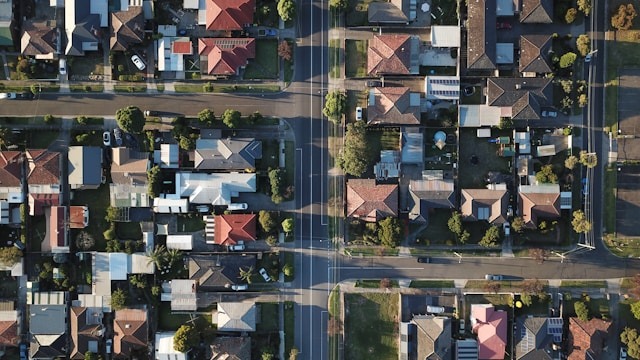
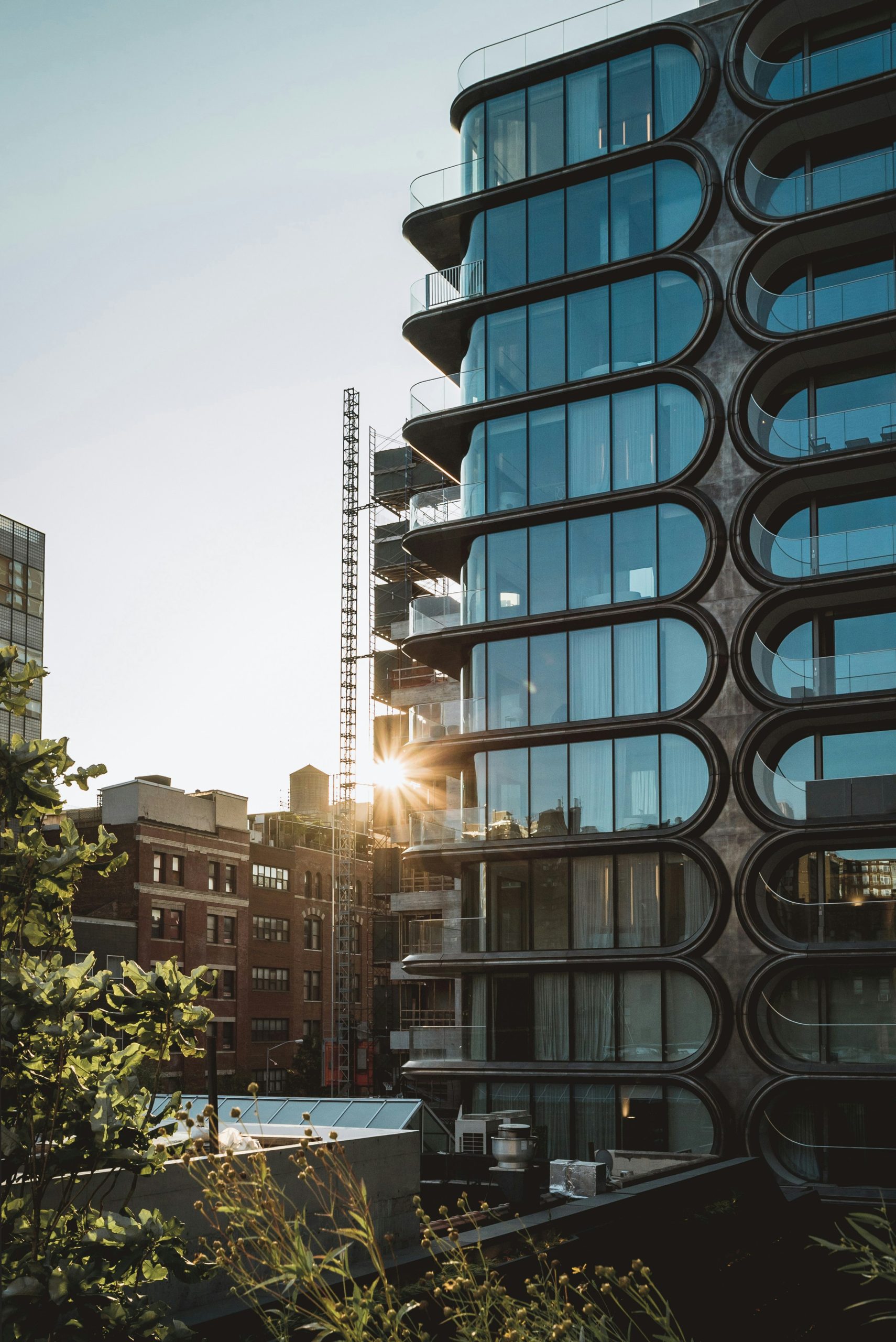
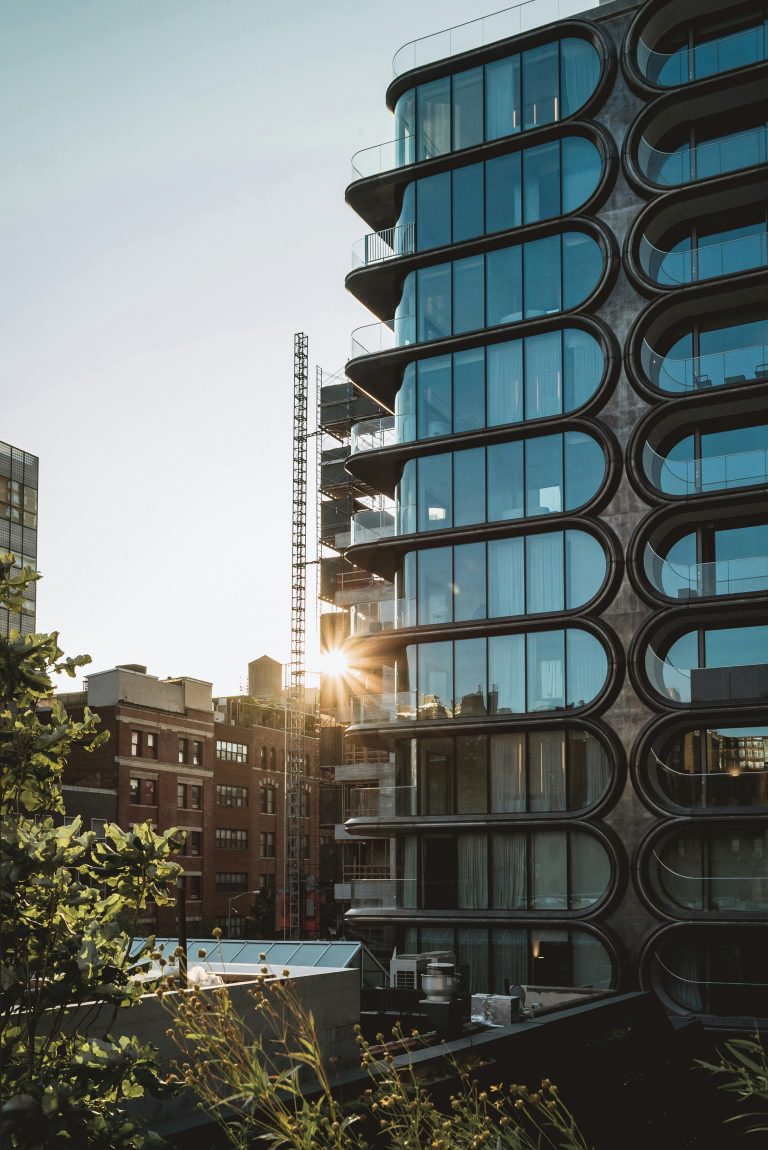
Photo by Tom Rumble
Brisbane is set to record slightly faster growth over the same period. House prices are forecast to climb by about 30 per cent to around $1.45 million, while units are tipped to move just above $1 million. Population inflows, lifestyle-driven migration and ongoing housing undersupply are all contributing to stronger demand in Southeast Queensland.
Shifts in how Australians live are also reshaping housing demand. More families are prioritising space and affordability in regional towns, while retirees are increasingly drawn to low-maintenance properties. Younger buyers are turning to apartments, medium-density housing and co-living arrangements as a way to enter increasingly expensive markets. Detached houses remain the most consistent long-term investment option, particularly in land-constrained areas, while townhouses and other medium-density homes are emerging as a practical compromise between price and lifestyle.
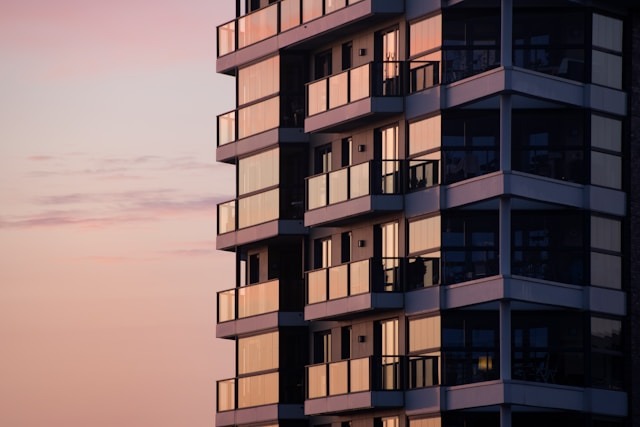
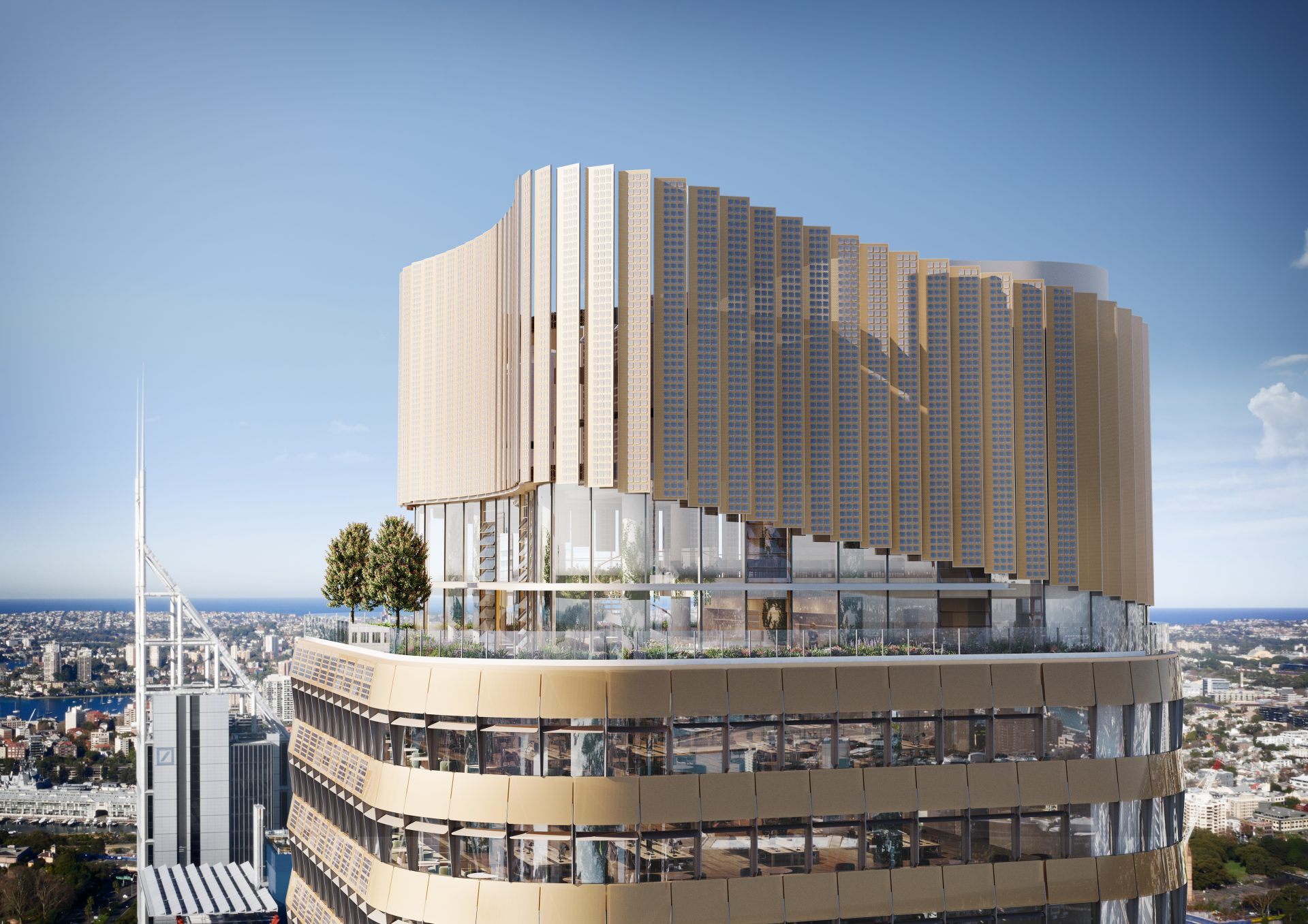
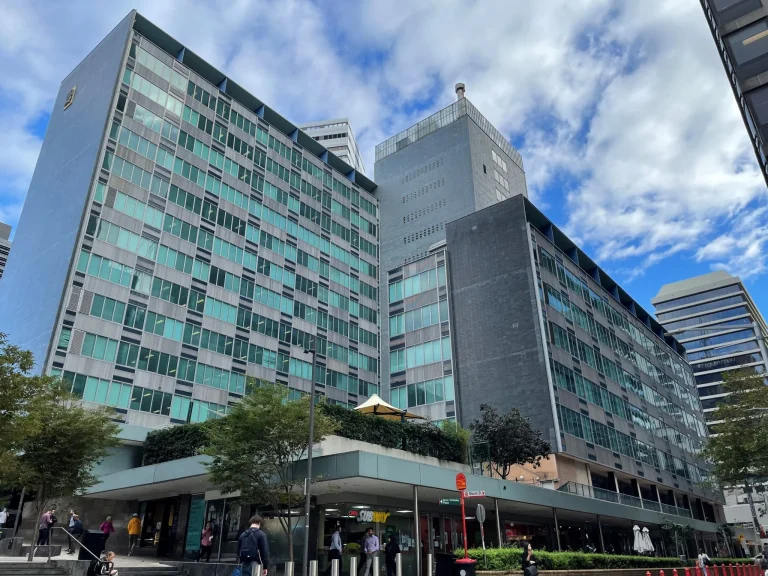
Photo by Tobias Wilden
Economic settings offer some stability but do little to resolve affordability challenges. The Reserve Bank cash rate has settled at around 3.6 per cent, providing borrowers with a clearer outlook than in recent years. First-home buyer incentives continue to help some households save more quickly, although rising prices mean many still struggle to secure a foothold in the market.
Household composition is changing alongside these pressures. Lone-person households now account for roughly 35 per cent of all homes, while families with children represent just over 30 per cent. Multi-generational living is becoming more common as housing costs push extended families to share space. Combined with persistent underbuilding and strong migration, these trends suggest the next five years will play a critical role in determining who can access housing in Australia, where they live and at what cost.