Construction Cost Escalation Eases But Capacity Risks Loom As Next Upswing Approaches
 April Ossington
07 Jan 2026
April Ossington
07 Jan 2026
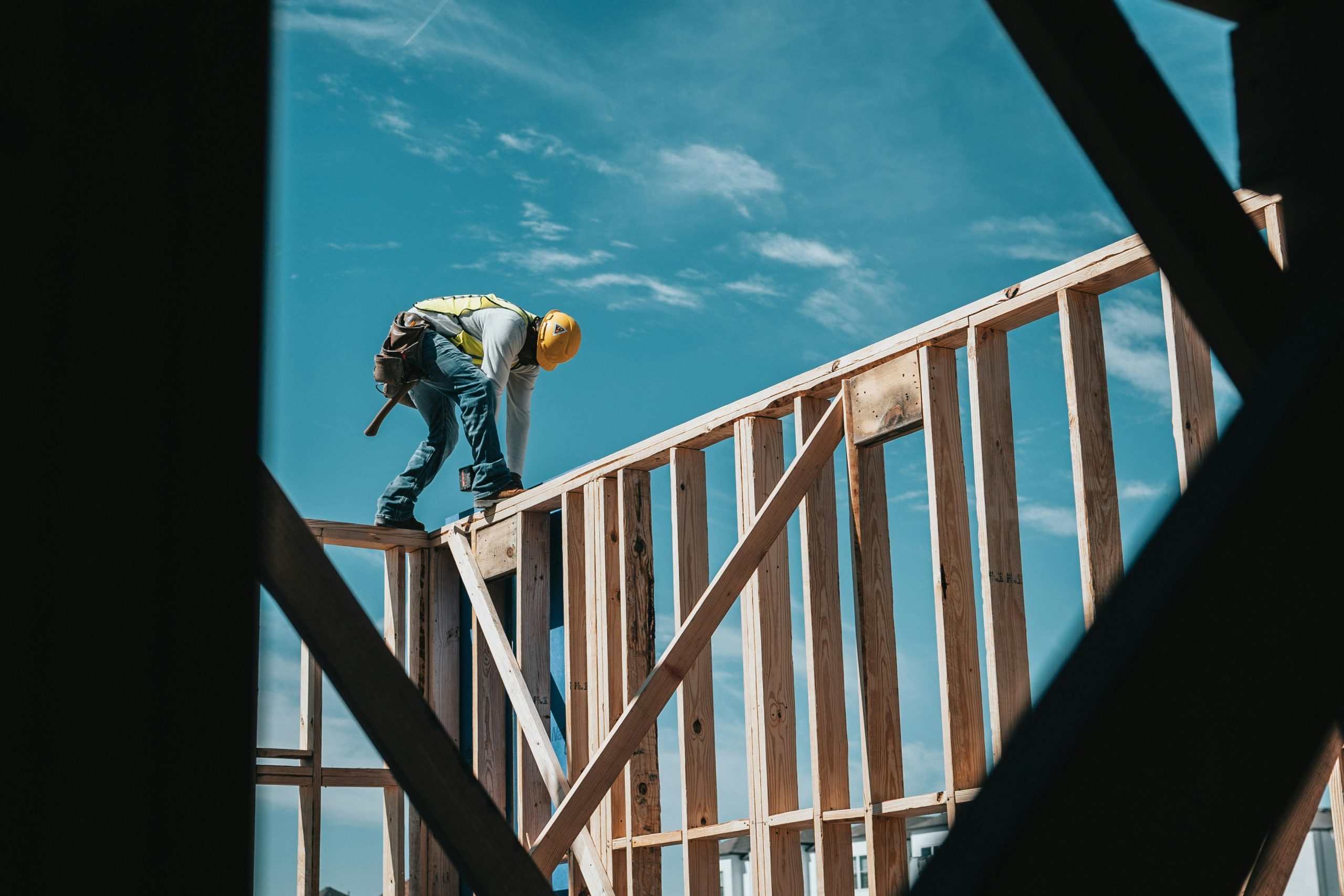
Construction cost escalation across Australia is continuing to ease, although it remains above long-run averages, according to the latest Australian Construction Market Conditions Report from WT. This moderation is occurring alongside increasingly soft market conditions, particularly weaker margins and profits, which are constraining the sector’s ability to invest in capability ahead of the next cycle.
While near-term pressures are easing, the report questions whether the industry can avoid a sharp jump in escalation when construction activity accelerates again. The next upswing is expected to be led by Brisbane, with other markets also strengthening, raising concerns that conditions comparable to the post-pandemic escalation spike could re-emerge.
Construction activity outlook by sector
Looking to 2027 and 2028, activity is expected to remain elevated across most sectors, albeit with notable shifts in drivers.
Commercial construction is set to benefit from the continued rise of data centres, supported by a major transport buildout and a cyclical recovery in retail, while office construction is expected to hold steady. Apartment construction is forecast to increase as housing shortages intensify, although structural issues within the sector are expected to limit the speed of the upturn.
Industrial activity is expected to ease slightly but remain elevated, with site availability and project complexity playing a crucial role. Social infrastructure will be strongly influenced by Olympics-related construction, alongside ongoing investment in education, aged care, accommodation and defence.
Transport construction is expected to moderate, with rail projects continuing while major road mega-projects become less common. Utilities activity is forecast to remain at or near record highs, driven by renewables, transmission infrastructure and major water investment. Resources construction is expected to experience a cyclical uplift across gas and base and critical metals, although well below the levels seen during the early 2010s.
Cost escalation outlook by year
2026
Moving into 2026, easing cost pressures and softer market conditions are expected to persist. While skilled labour shortages will continue to place upward pressure on costs in some regions, this period is forecast to represent the most benign escalation environment since the pandemic.
National weighted-average escalation is forecast at 5.2 per cent for building, a six-year low, and 5.0 per cent for infrastructure, the second-lowest outcome since 2021.
2027
The key narrative entering 2027 is the start of the next upswing in construction activity. Olympics-related projects in Brisbane and south-east Queensland will be a major driver, but not the only source of growth, with strength also emerging in other markets.
However, prolonged softness through 2025 and 2026 is expected to limit investment in sector capability, reducing the industry’s ability to absorb higher demand without renewed escalation pressure. As a result, escalation is forecast to increase to an average of 5.7 per cent for building and 5.5 per cent for infrastructure nationwide.
2028 and beyond
By 2028, activity is expected to intensify further, particularly in Queensland, where both Olympics and non-Olympics projects are forecast to surge. This concentration of work could push escalation rates towards, or beyond, pandemic-era highs.
In the base-case scenario, some labour is expected to relocate to south-east Queensland, but not enough to prevent escalation reaching approximately 10 per cent for building and 8 per cent for infrastructure in the region. Nationally, escalation is forecast to average 6.4 per cent for building and 5.8 per cent for infrastructure.
Key risks and implications
A central risk identified in the report is insufficient investment in sector capability. Signs of increased investment have softened at a time when the industry should be preparing for a cyclical and Olympics-driven upswing. Without renewed investment, escalation could jump sharply or remain elevated if projects are delayed.
Housing delivery also remains a critical issue. While signs of an upswing are emerging, momentum could fade, and if activity approaches federal housing targets, escalation pressures could intensify.
Rising state government debt poses another risk, with capital expenditure plans under increasing pressure despite overall capex trajectories remaining upward, particularly in Queensland. A combination of capex moderation and a broader economic slowdown could significantly weaken market conditions.
Global risks, including trade tensions, remain elevated. Disrupted supply chains, higher borrowing costs and the potential unavailability of some imports could affect project delivery, although a sharper global slowdown could eventually lead to improved financial conditions.
The report also points to a legislated project pipeline as a potential medium- to long-term solution. Greater certainty could incentivise much-needed investment in capability and help smooth escalation, although some industry resistance is likely.
Economic and regional context
Despite inconsistent economic growth, construction activity remains close to record highs, driven by residential and social sectors, while infrastructure activity stays elevated as investment shifts from transport to utilities. Work yet to be done reached a new high in the June 2025 quarter, reflecting larger and more complex projects across multiple sectors.
Regionally, Brisbane is gearing up for a substantial ramp-up ahead of 2032, with skilled labour shortages the dominant risk. Sydney and Melbourne remain soft but are expected to recover as interest rate cuts and major projects flow through. Adelaide and Perth continue to exhibit strong conditions, while smaller markets such as Hobart, Darwin and regional centres face elevated escalation due to labour constraints and competition from larger markets.
Overall, while construction cost escalation is easing in the short term, the report warns that without stronger investment in capability, the next upswing could once again expose structural weaknesses across the sector.