Forces Reshaping Australia’s Construction Industry Through 2026 And Beyond
 April Ossington
07 Jan 2026
April Ossington
07 Jan 2026
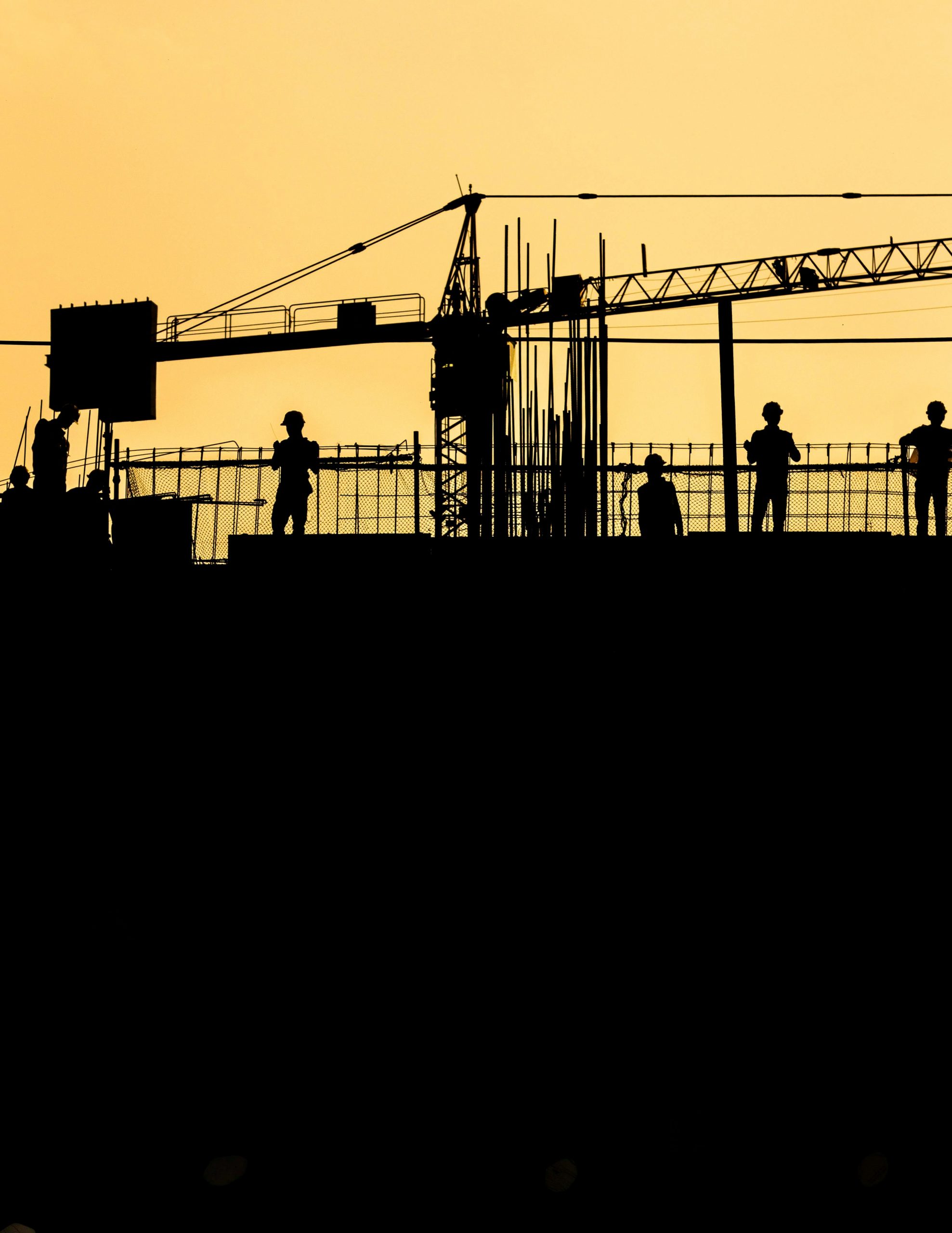
Australia’s construction sector is moving into a new phase after the surge in activity seen in the years following the pandemic. Population growth, renewed investment and accelerating technology adoption are reshaping how and what the industry builds. At the same time, a tightening labour market is forcing companies to rethink how they attract, train and retain workers.
While no one can predict the future with certainty, current data points to a set of clear trends that are likely to define Australian construction in 2026 and the years that follow.
Continued expansion of the construction sector
Construction activity in Australia is expected to keep rising as economic conditions stabilise. After recording strong growth between 2020 and 2024, the market is forecast to maintain momentum, supported by easing interest rates and sustained population growth. Industry projections suggest growth will continue at a compound annual rate of around 5.6 per cent from 2025 to 2029.
Tackling the skills shortage
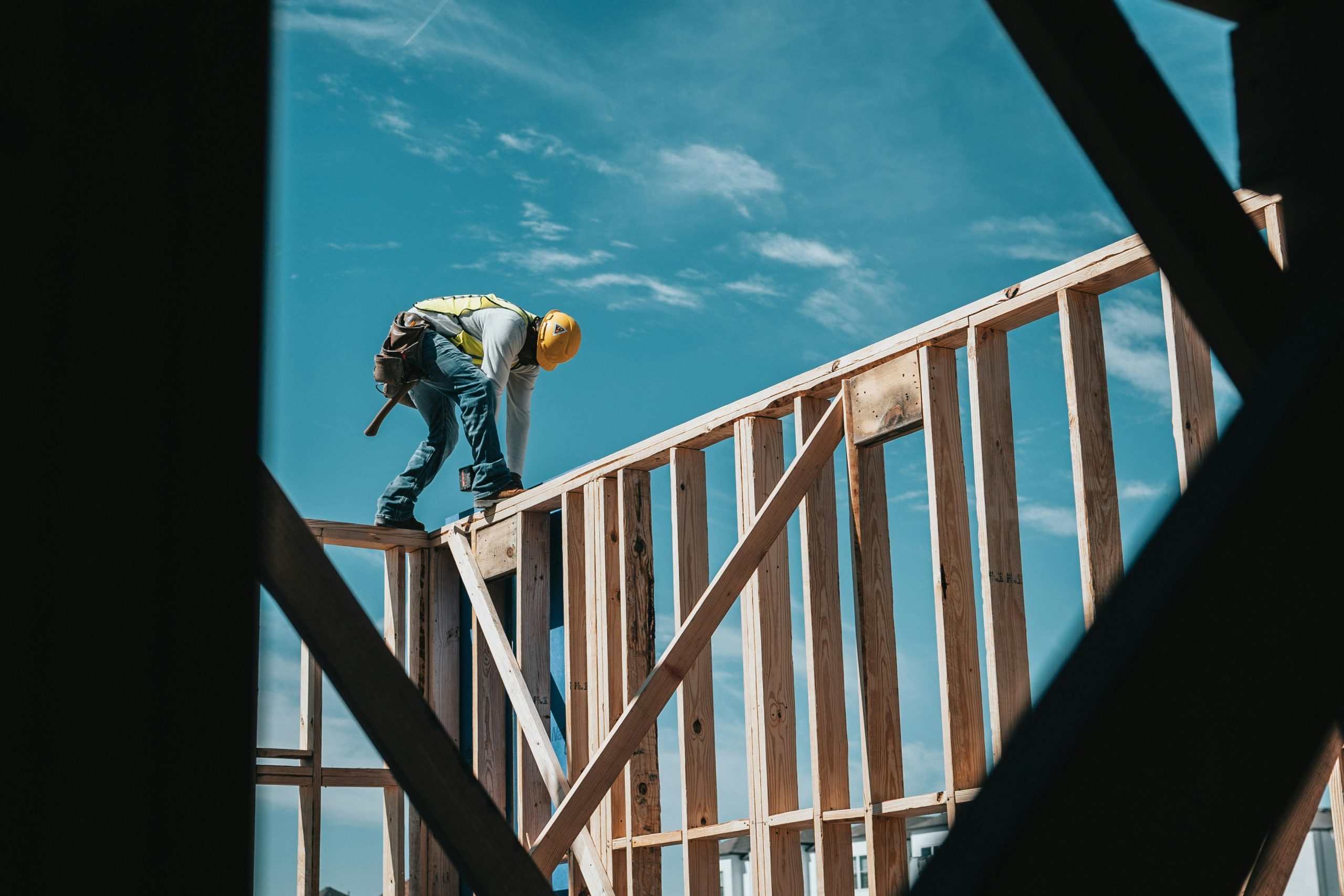
Labour availability remains one of the industry’s biggest challenges. By mid-2027, Australian construction projects are expected to require an additional 300,000 workers. Shortages in trades such as plumbing, electrical work and carpentry are prompting companies to invest in targeted recruitment, diversity initiatives and early engagement with schools and training providers. Women, who currently make up just 10.8 per cent of the workforce, are a key focus of these efforts.

Photo by Bianca Sbircea-Constantin
Housing takes centre stage
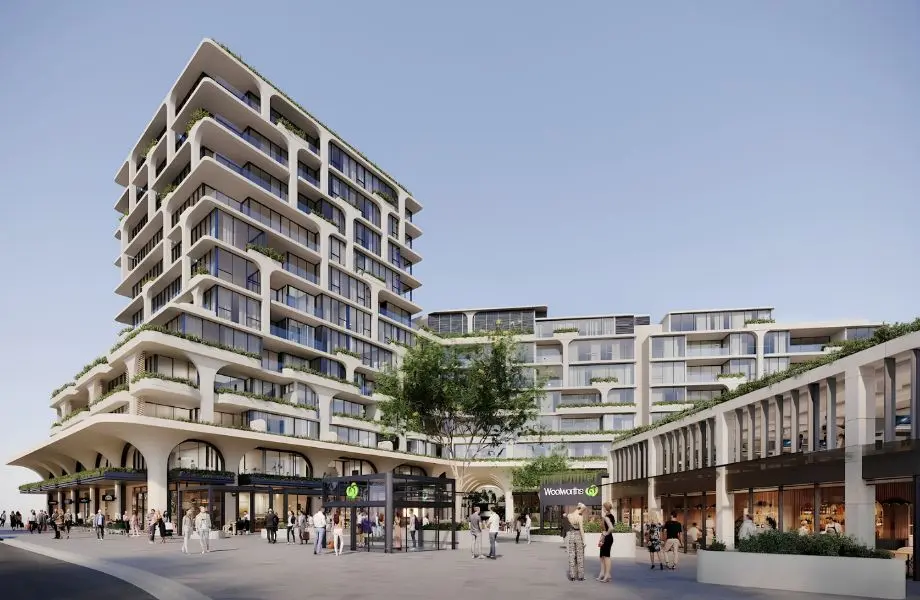
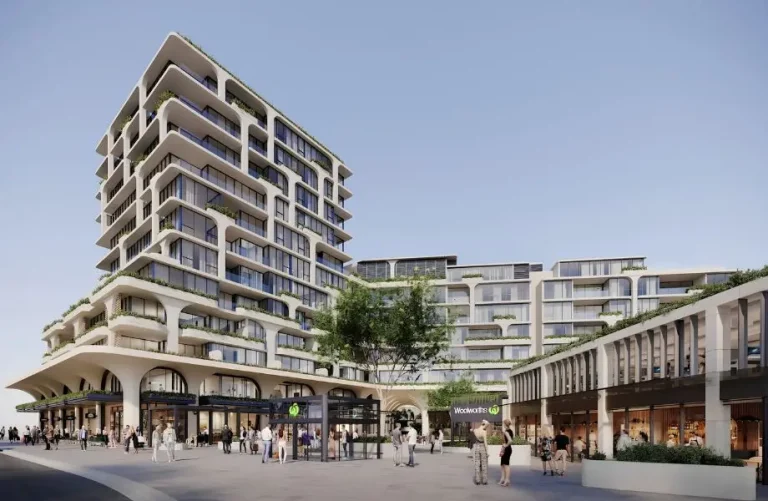
Residential building is set to become an even greater priority. Demand for new housing, including higher-end developments, is increasing alongside government initiatives aimed at boosting supply. As a result, resources are expected to shift away from large-scale commercial and infrastructure projects towards residential construction, particularly in urban growth corridors.
Artificial intelligence becomes more embedded
Artificial intelligence is set to play a growing role in both planning and on-site delivery. Globally, the construction AI market is forecast to approach $A14 billion by 2031, and Australian firms are increasingly tapping into these tools. AI is being used to improve safety, predict delays, monitor compliance and reduce costs, while also supporting productivity and sustainability targets.
Stronger focus on green construction
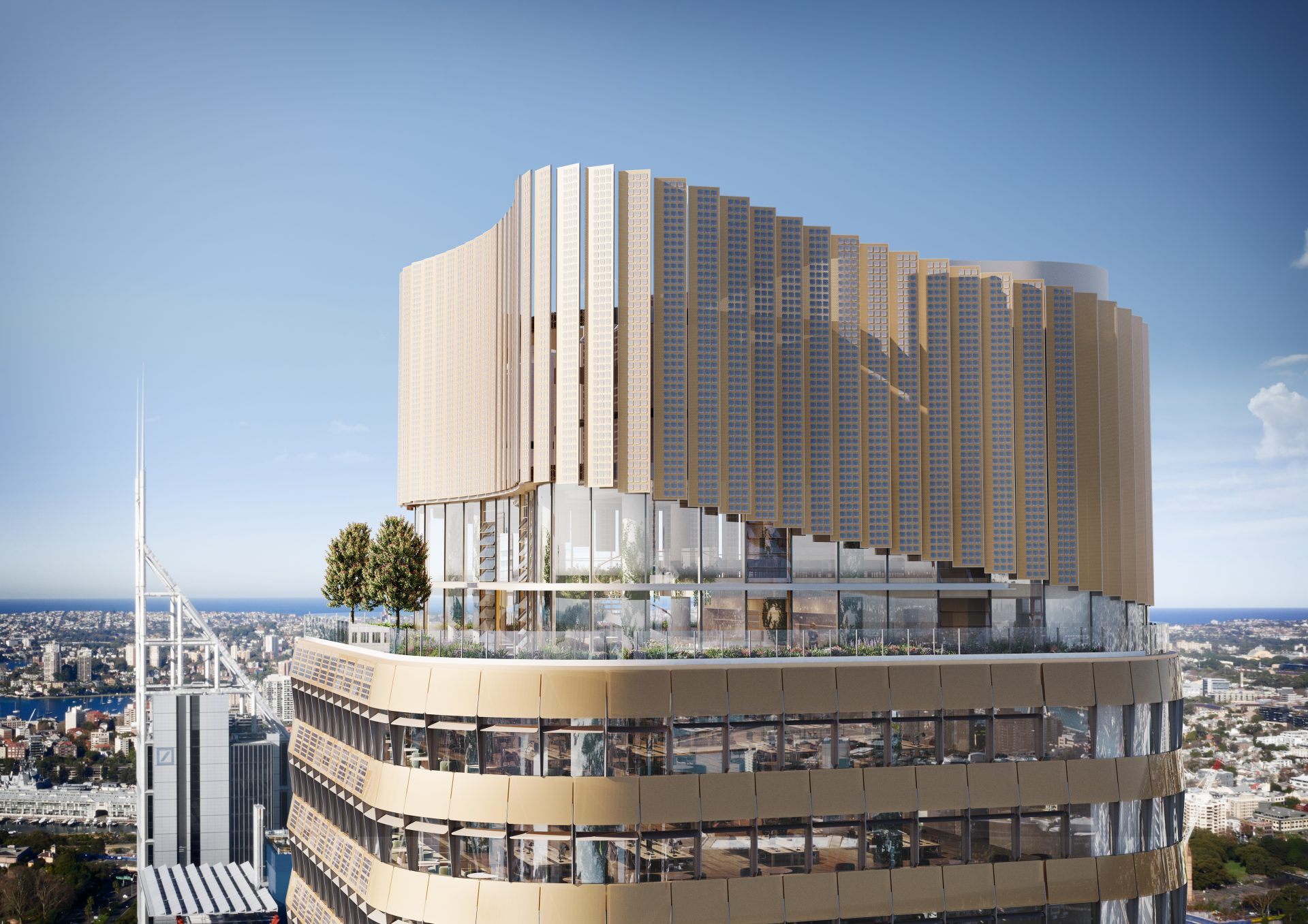
Environmentally responsible building practices are becoming a central concern for developers and contractors. Australia’s green building market reached approximately $A5.4 billion in 2025, and demand for energy-efficient, low-impact buildings is expected to remain strong. Sustainability is no longer a niche consideration but a key requirement for many projects.
Wider adoption of digital twins
Digital twin technology is gaining traction across Australian construction projects. By creating live digital replicas of physical assets, these systems allow project teams to monitor performance, test scenarios and plan maintenance using real-time data. Already in use for infrastructure and asset management, digital twins are likely to become a standard tool across commercial and residential developments.
Greater emphasis on training and upskilling
As technology becomes more central to construction, upskilling the workforce is becoming essential. Training in digital tools such as BIM, drones, AI systems and sustainable construction methods is expected to increase. These programs not only improve productivity and safety but also support job satisfaction and long-term retention.
Building information modelling becomes more connected
Building information modelling continues to evolve as a core technology for project delivery. BIM provides a shared digital model that keeps designers, contractors and suppliers aligned. Over time, BIM platforms are expected to integrate more closely with AI and machine learning, enabling better collaboration and more accurate decision-making across the industry.
Circular economy principles gain ground
The construction industry is increasingly embracing circular economy approaches to reduce waste and environmental impact. This includes reusing materials, repairing equipment and designing buildings with end-of-life recovery in mind. The global market for used construction machinery is expected to reach $A188 billion by 2030, highlighting growing acceptance of reuse across the sector.
The future
Australia’s construction industry is entering a period of significant change. Growth opportunities remain strong, particularly in housing, but success will depend on how well companies adapt to new technologies and workforce challenges. Those that understand and respond to these emerging trends will be better placed to thrive in a more competitive and technologically advanced market.