Green Star Performance Metrics Gain Traction As Sustainability-Linked Loans Grow
 April Ossington
07 Jan 2026
April Ossington
07 Jan 2026
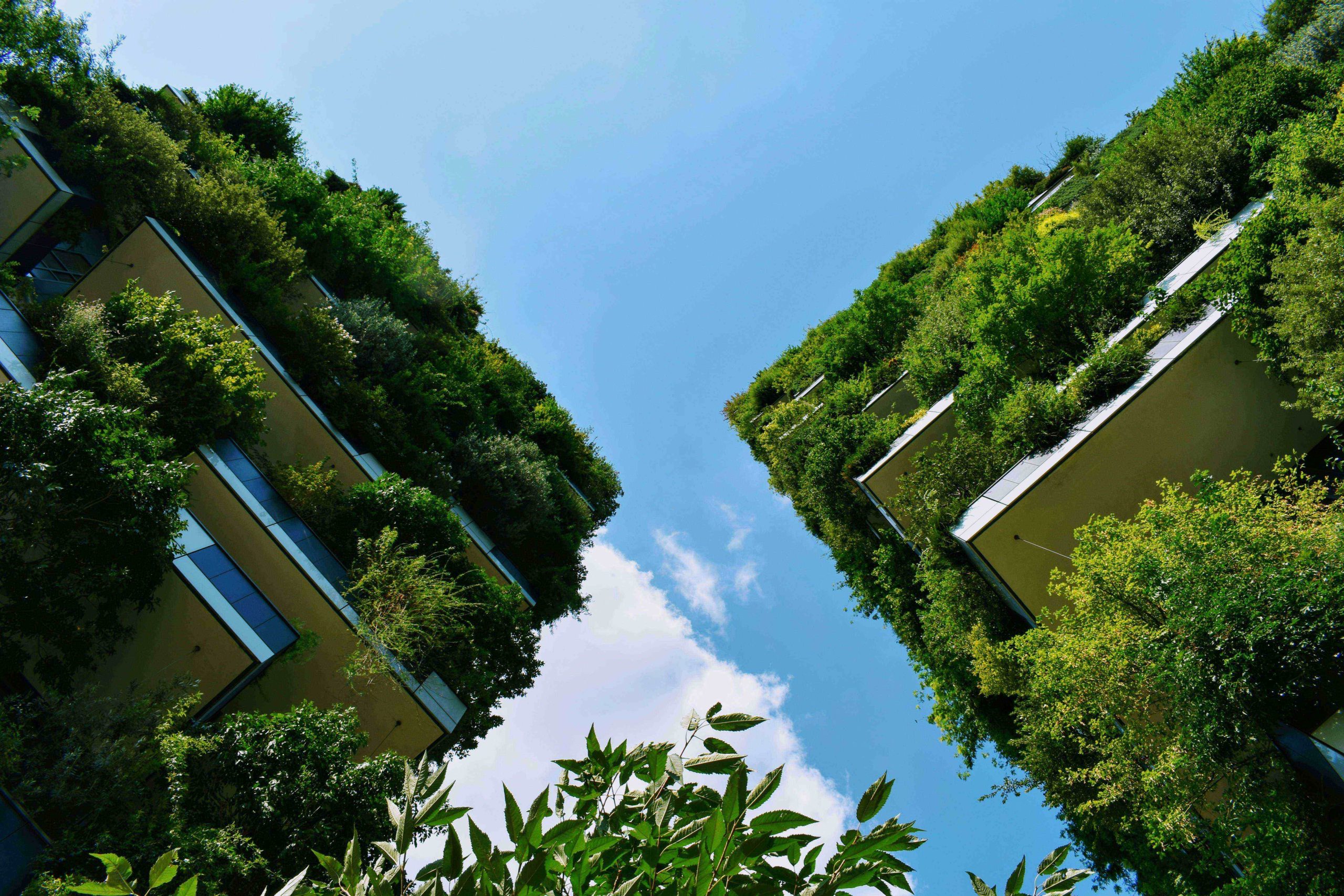
Sustainability performance is increasingly being used as a foundation for property financing in Australia, with the Green Building Council of Australia (GBCA) noting a rise in loans tied directly to Green Star Performance results. The latest example comes from purpose-built student accommodation provider Scape, which has secured a new Sustainability-Linked Loan that uses Green Star metrics to shape improvements across its portfolio.
Under the terms of the agreement, Scape has committed to significantly lifting the environmental performance of buildings held within its Core Fund. Over a three-year period, the average Green Star Performance rating across these assets is set to rise from 2 Stars to 3.5 Stars. According to analysis by the GBCA, this represents a faster rate of improvement than is typically achieved by portfolios that have been tracking performance through the Green Star system for several years.
GBCA Chief Executive Officer Davina Rooney said the growing use of Green Star Performance in financing reflects a broader shift in how building owners assess and manage sustainability.
“Organisations want a clear and consistent way to understand how their buildings are operating and where meaningful gains can be made,” she said. “Green Star Performance helps owners see where they are today and what practical steps will lead to better outcomes over time. When those results are tied to finance, it encourages ongoing and measurable progress.”
Rooney added that improving sustainability across a portfolio requires attention to multiple factors rather than focusing on a single issue.
“Real improvement comes from lifting performance across energy, carbon, water, materials and governance. A shared benchmark allows progress to be tracked transparently and keeps all parties accountable.”
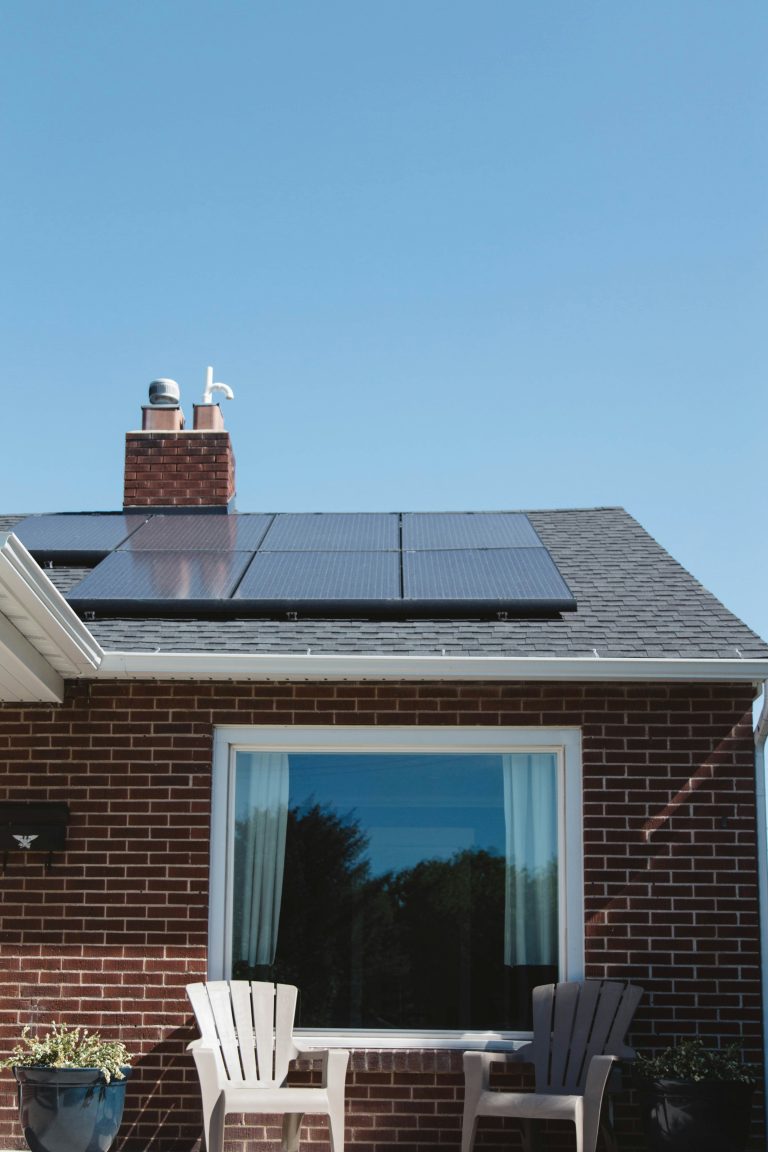
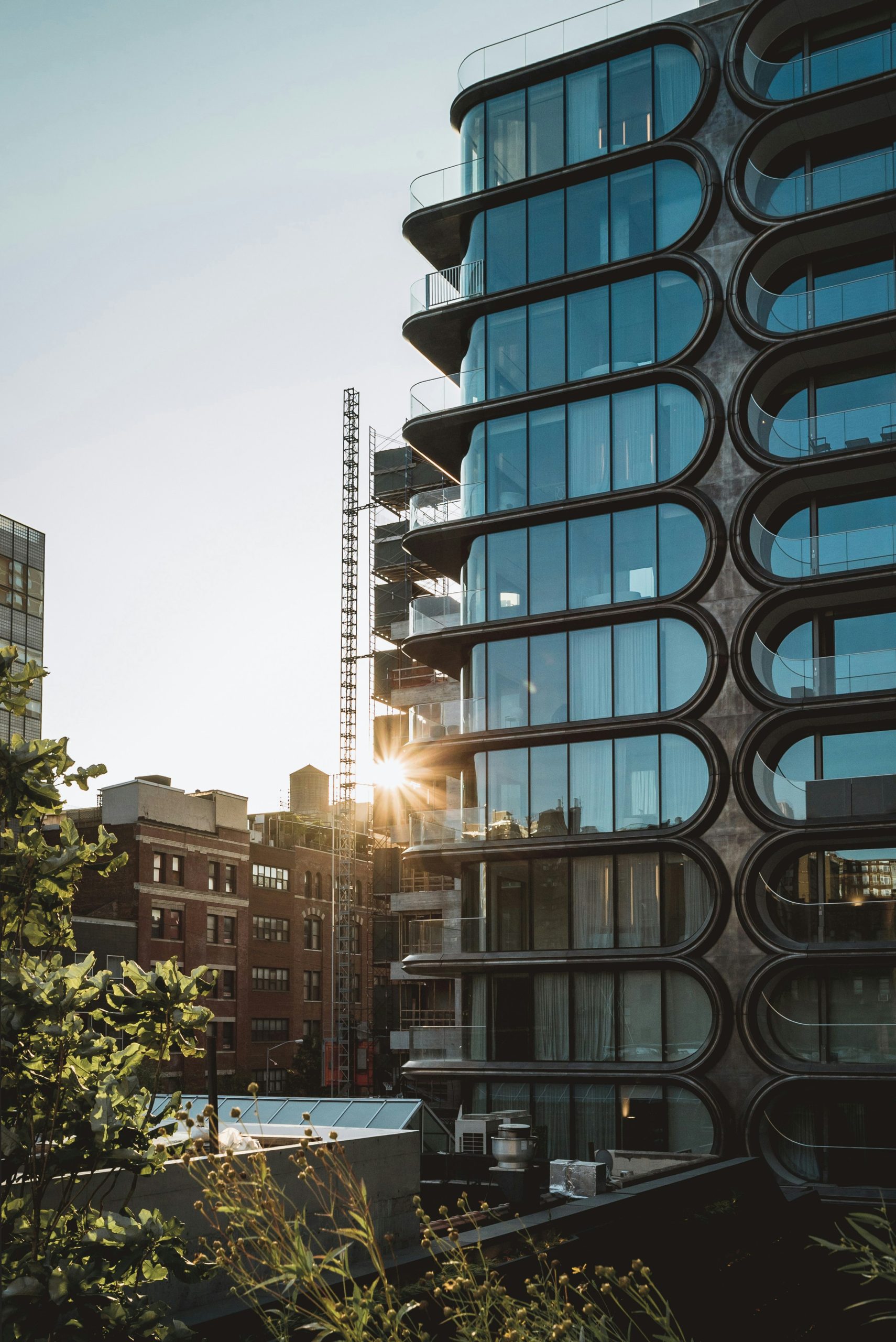
Photo by Vivint Solar
Scape has a history of using Green Star as a performance guide. A previous Sustainability-Linked Loan completed in 2023 required all eligible buildings to achieve Green Star Performance v2 certification well ahead of regulatory requirements. By continuing to use version 2 of the tool, the company is able to maintain consistency when measuring change across its assets.
The new loan applies to both existing operational buildings and developments within the Core Fund. For operating assets, commitments include electrifying building systems and transitioning to 100 per cent renewable electricity. Development projects are also covered, with targets focused on reducing upfront embodied carbon, electrification and the installation of solar photovoltaic systems.
If these development measures are implemented as planned, Scape estimates they will prevent approximately 5,900 tonnes of upfront emissions.
Chris Nunn, General Manager for Environment, Social and Governance at Scape, said linking sustainability targets to finance helps reinforce long-term goals.
“Green Star Performance provides a dependable framework for improving how our buildings operate. Connecting that framework to our financing ensures we remain focused on delivering the outcomes we have set,” he said.
The Sustainability-Linked Loan was supported by ERM CVS, which provided the second party opinion, alongside joint sustainability coordinators Commonwealth Bank of Australia, HSBC and MUFG.